国产免费a级片_国产jjizz一区二区三区视频_成人毛片视频免费看_熟女人妻在线视频_国产视频三区四区_亚洲欧美在线观看视频_久久久久久久久免费看无码_黄色aaa大片_欧美日韩国产黄色_日韩网红少妇无码视频香港

About

Shantou Xinqing Cannery Machinery Co., Ltd. is a professional manufacturer specializing in the design, manufacturing, and sales of high-performance can making machinery. With the increasing demand for canning machinery in the industry, our company has continuously developed new types of canning equipment based on years of technology and talent reserves. We have also established Shantou Xinglian CNC Equipment Co., Ltd., which mainly produces special-shaped cans and two-piece cans, to continuously improve our product chain structure.

NEW DODO-700

NEW DODO-700

NEW DODO-500H

NEW DODO-500H

NEW DODO-500

NEW DODO-500

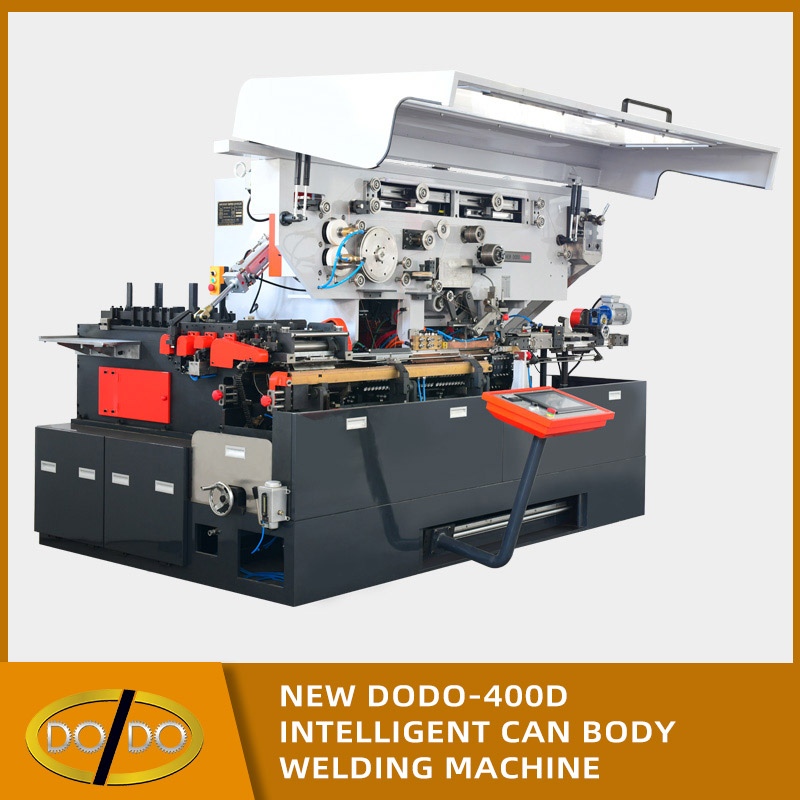
NEW DODO-400D

NEW DODO-400D

NEW DODO-400A

NEW DODO-400A

NEW DODO-300H

NEW DODO-300H

NEW DODO-300D

NEW DODO-300D

NEW DODO Fully Automatic Can Body Welder

NEW DODO Fully Automatic Can Body Welder

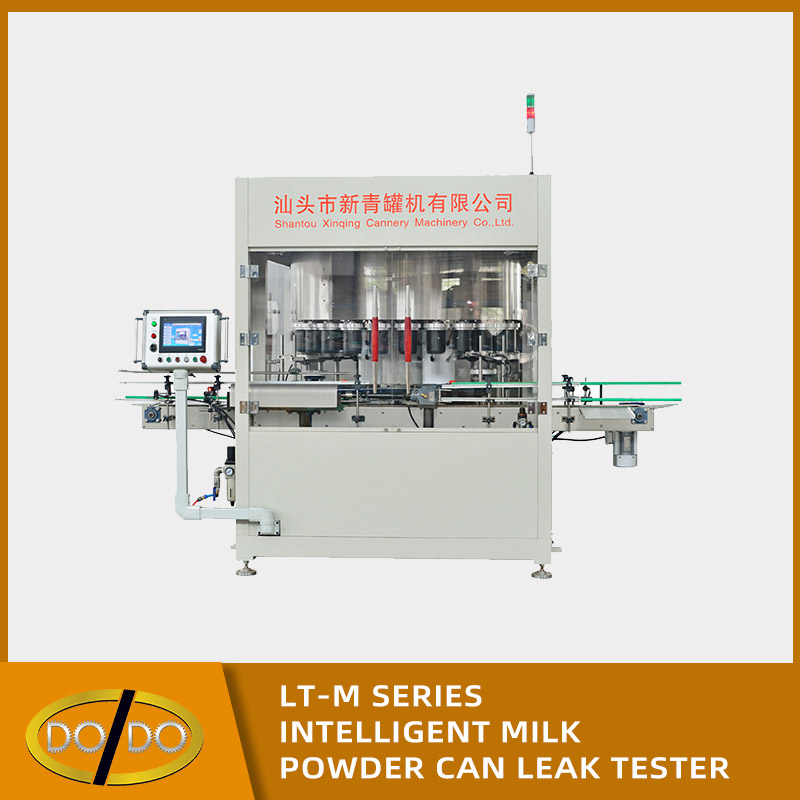
LT-M Series

LT-M Series

LT-FG24

LT-FG24

LT-F Series

LT-F Series

LT-E18

LT-E18

Precautions for operating canning equipment

Precautions for operating canning equipment

The operation of canning equipment (such as punching machines, edge rolling machines, welding machines, painting lines, etc.) must strictly follow safety regulations and operating procedures, ensuring the personal safety of operators and avoiding equipment damage and product quality issues. The following provides a detailed explanation of operational precautions from six core dimensions: safety protection, equipment inspection, operating standards, exception handling, occupational health, and equipment maintenance:1. Safety protection: eliminate the risk of personal injurySafety protection is the primary prerequisite for operating canning equipment, which requires "pre job inspection, on-the-job compliance, and no violations throughout the entire process":Wear compliant protective equipmentFull protective equipment must be worn as required, and wearing clothing that may cause danger is prohibitedMandatory wearing: safety helmet (to prevent falling objects or equipment components from falling from high altitude), anti smashing safety shoes (to avoid metal waste/parts from injuring feet), protective gloves (anti slip+anti metal burrs and scratches, high temperature/chemical resistant gloves are required for welding/painting positions), goggles (to prevent metal debris splashing for punching/cutting positions).Prohibited from wearing: loose clothing (such as oversized cuffs, aprons), necklaces/bracelets/rings (easily tangled by equipment transmission components), and those with long hair should tuck their hair into a safety helmet (to avoid getting caught up in gears/belts).Confirm that the safety device is effectiveBefore starting up, it is necessary to check the safety protection devices of the equipment to ensure that there is no damage or failure:Punching/Pressure Equipment: Check the dual hand start button (both hands need to be pressed simultaneously to start, to prevent one hand misoperation), photoelectric protection device (the equipment will stop immediately when blocked), and emergency stop button (red, prominently located and sensitive to pressing).Curling/welding equipment: Check the protective fence (to prevent limbs from entering rotating parts) and spark protection cover (to prevent sparks from splashing and scalding during welding).It is strictly prohibited to dismantle or shield safety devices without authorization (such as using tape to stick photoelectric sensors). If a device malfunction is found, immediately stop the machine and report it for repair.Comply with the 'restricted area' rulesWhen the equipment is running, it is forbidden to insert hands, arms, or tools into dangerous areas such as the mold cavity, transmission gap, curling wheel, conveyor belt clamp, etc. (even if the equipment is running at low speed, it may trigger the action instantly).Non operators are prohibited from entering the equipment operation area. If multiple people are required to cooperate (such as cutting and feeding), clear division of labor and the use of "gestures/passwords" to confirm should be made to avoid misoperation.2. Equipment inspection: Ensure normal status before startupCan making equipment is mostly operated with high precision and high load. A comprehensive inspection before startup can avoid equipment damage or accidents caused by "faulty operation":Basic status checkAppearance: Check whether the equipment casing and protective cover are intact, without deformation or cracks; Are the anchor bolts of the equipment tightened to prevent vibration and displacement during operation.Power/Air/Hydraulic: Confirm that the power supply voltage is stable (in accordance with the rated voltage of the equipment, such as 380V industrial electricity), the wires are not damaged, and the grounding is reliable; The gas source pressure is normal (such as 0.6-0.8MPa), and there is no leakage in the trachea; The hydraulic system oil level is between the upper and lower limits, with no oil leakage or high oil temperature (generally ≤ 60 ℃).Core component inspectionFocus on inspecting key components based on equipment type:Punching/stretching machine: It is necessary to check whether the mold is installed firmly and the gap is uniform (without misalignment); Whether the slider runs smoothly without any jamming or abnormal noise; Is the clutch sensitive to avoid slipping or sticking.Edge rolling machine: Focus on checking the degree of wear of the edge rolling wheel (without serious scratches/deformation). If the wear is excessive, it can easily lead to uneven edge rolling of the can body; At the same time, confirm whether the pressure of the roller is appropriate (too loose may cause loose edges, while too tight may cause the roller to break or damage the can body).Welding machine (such as seam welding): Check whether the electrode head is clean (without oxide accumulation, which can affect the conductivity of the welding and cause virtual connection of the solder joint); Check if the welding current and speed parameters match the material of the can body (for example, tinplate requires lower current, aluminum requires higher current, and if the parameters do not match, welding penetration or leakage may occur).Coating/drying line: First, test spray to confirm if the nozzle is blocked (blockage can cause uneven coating thickness), and check if the nozzle atomization effect is uniform; Check if the temperature sensor of the drying oven is accurate (high temperature can easily cause coating coking, while low temperature can result in insufficient coating adhesion).Material and tooling inspectionConfirm that the specifications of the materials to be processed (such as tinplate coils and aluminum sheets) meet the equipment requirements (with no deviation in thickness and width. If the material is too thick, it may get stuck in the equipment, and if it is too thin, it may be deformed by pressure). At the same time, check the surface of the materials for oil stains and scratches (oil stains can affect the coating or welding effect, and scratches can reduce the strength of the can body).Check whether the fixtures and jigs (such as positioning blocks and suction cups) are intact, and confirm whether the positioning accuracy meets the standard (if the positioning is offset, it will cause dimensional deviation of the tank body and even cause equipment jamming).3. Operation standard: Follow the process to avoid misoperationStartup and trial operationBefore starting up, it is necessary to turn on the power in the order of "total power first, equipment power later", and wait for the equipment to complete self inspection (if the self inspection reports an error, the fault must be checked first, and forced startup is not allowed).After the first start-up or replacement of materials/molds, it is necessary to conduct an "empty machine trial run" (running for 1-2 cycles without materials) to observe whether the equipment runs smoothly and synchronously (such as whether the punch slide and feeding mechanism are coordinated smoothly), and confirm that there are no abnormalities before starting the feeding production.Production process operationWhen feeding, it is necessary to maintain a "uniform and orderly" speed to avoid adding too much material at once (to prevent material accumulation and equipment jamming); If manual auxiliary feeding is required, special tools (such as push rods) should be used. It is forbidden to directly touch the contact area between the material and the equipment transmission components with hands.Real time monitoring of product quality: The punching station needs to check whether there are cracks in the can body during stretching, the edge rolling station needs to randomly check the sealing of the edge rolling (which can be checked for leakage through "water injection test"), and the welding station needs to observe whether the welding points are continuous and free of leaks. If any quality problems are found, the machine should be stopped immediately for adjustment, and "production with problems" is not allowed.It is prohibited to perform "illegal operations" while the equipment is running, such as cleaning the internal waste of the equipment by hand (after shutting down and cutting off the power), arbitrarily adjusting equipment parameters (such as welding current and punch pressure, parameter adjustments need to be confirmed by the team leader and recorded), leaning against the equipment shell (to avoid body imbalance caused by vibration and getting caught up in the equipment).Shutdown processThe feeding should be stopped first, and after the remaining materials in the equipment are completely processed, the power should be cut off in the order of "equipment power first, then total power"; If it is a hydraulic or pneumatic equipment, the system pressure needs to be released first (such as closing the air source valve and hydraulic valve to avoid pressure residue causing unexpected equipment operation).After shutting down, it is necessary to clean the surrounding materials of the equipment (sort and stack finished products and waste materials, and place waste materials in a dedicated metal waste bin to avoid falling on the ground and causing slipping), wipe the surface of the equipment with oil stains (use a dedicated cleaning agent, do not rinse live parts directly with water).4. Exception handling: timely shutdown, scientific investigationImmediate shutdown situationWhen the following situations occur, press the "emergency stop button" immediately to cut off the power:The equipment experiences severe vibration and abnormal noise (such as gear collision sound, metal friction sound, which may be due to loose or damaged components);Material jamming (such as the tank body getting stuck in the mold or conveyor belt, forced operation can cause equipment overload and damage);Smoke and odor (such as burnt wires or overheated hydraulic oil, which may be due to electrical faults or hydraulic system abnormalities);Personal safety hazards occur (such as failure of protective devices, splashing of materials).Troubleshooting and repair reportingAfter shutdown, it is not allowed to disassemble the equipment (especially professional components such as electrical cabinets and hydraulic systems) without authorization. The fault phenomenon should be recorded first (such as "abnormal noise during operation of the curling machine, accompanied by heating of the curling wheel"), and the equipment maintenance personnel should be notified in a timely manner.During the maintenance process, it is necessary to hang a warning sign next to the equipment that reads' under maintenance, no turning on 'to prevent others from accidentally closing the switch; After the maintenance is completed, it is necessary to conduct an empty machine test run together with the maintenance personnel to confirm that the fault has been eliminated before resuming production.5. Occupational Health: Focus on Long term ProtectionDust and exhaust gas protectionStamping and cutting positions can generate metal dust, so it is necessary to ensure that the workshop ventilation system is normal (such as turning on exhaust fans or dust removal equipment), and if necessary, wear dust masks (N95 or above level) to avoid long-term inhalation of dust and respiratory diseases.The painting and welding positions will generate volatile organic compounds (VOCs) or welding fumes. Local exhaust devices (such as welding fume purifiers and painting fumes collection hoods) need to be installed next to the workstation, and operators need to wear gas masks (filter boxes for organic vapors).Noise and vibration protectionPunching machines and edge curling machines produce loud noise (usually exceeding 85dB) during operation, so it is necessary to wear noise proof earplugs or earmuffs to avoid hearing damage caused by long-term exposure; At the same time, regularly check the shock absorption devices of the equipment (such as the foot cushion) to reduce the impact of equipment vibration on the human body.Daily routine and protective habitsAvoid prolonged continuous operation (it is recommended to take a 10 minute break every 1-2 hours and move your limbs) to prevent fatigue from causing lack of concentration and leading to misoperation.Clean hands promptly after operation (especially after contact with paint or hydraulic oil, use industrial hand sanitizer to avoid chemical residue). If skin comes into contact with irritating liquids, rinse immediately with clean water for at least 15 minutes and seek medical examination.6. Equipment maintenance: Extend lifespan, reduce malfunctionsRoutine maintenanceAfter daily production, it is necessary to clean up the internal waste of the equipment (such as metal debris in the punch mold to avoid debris getting stuck in the mold), wipe the surface of the guide rail and transmission components, and add lubricating oil as required (such as guide rail oil and gear oil, do not mix oil products).Check the wear condition of vulnerable parts (such as punch die cutting edge, edge sealing ring, welding machine electrode head). If the wear exceeds the standard, it needs to be replaced in a timely manner (if the die cutting edge becomes dull, it will cause burrs on the can body, and the cutting edge needs to be replaced or re ground).Regular maintenanceCheck the electrical wiring terminals of the equipment weekly for looseness (looseness can cause poor contact and equipment tripping), and tighten the loose terminals; Check the air source filter and hydraulic oil filter. If there are too many impurities, replace the filter element (impurities can block the pipeline and affect the system pressure).Conduct a monthly "deep inspection" of key components of the equipment, such as the wear of the press clutch brake pads, the lubrication status of the rolling machine bearings, and whether the heating tubes of the drying furnace are aging (aging of the heating tubes can lead to uneven temperature), and keep maintenance records (indicating the maintenance date, component status, and replacement situation).Long term maintenanceConduct a comprehensive maintenance every quarter or six months (depending on the frequency of equipment use), such as replacing hydraulic oil, cleaning hydraulic oil tanks, checking the accuracy of equipment spindles and screws (if the accuracy decreases, calibration or repair is required); Dust the contactors and relays inside the electrical cabinet to avoid electrical faults caused by dust accumulation..EditContent ul{margin-left: -.4rem;padding-inline-start: .4rem;}.EditContent ul ul{margin-left:0;}

08-23Knowledge

Key points for daily maintenance of canning machinery

Key points for daily maintenance of canning machinery

The daily maintenance of canning machinery (such as punching machines, curling machines, welding machines, painting lines, etc.) is the key to ensuring stable operation of equipment, extending service life, and reducing downtime due to malfunctions. It is necessary to develop targeted maintenance plans based on the characteristics of different equipment types, focusing on the five core links of "cleaning, inspection, lubrication, adjustment, and recording". The specific contents are as follows:1. General basic maintenance: All canning machinery must performComprehensive cleaning: remove impurities and avoid component jammingEquipment surface cleaning: After daily production, wipe the equipment casing, operating table, and protective cover with a dry cloth to remove metal debris, oil stains, and dust from the surface (if the oil stains are thick, special industrial cleaning agents can be used, and direct flushing of electrical components or hydraulic systems with water is prohibited); Focus on cleaning the equipment observation window and instrument display screen to ensure clear readings.Internal waste cleaning: After shutting down and cutting off the power, clean the waste in the key areas inside the equipment - the punching machine needs to clean the metal debris in the mold cavity and feeding channel (compressed air can be used to blow it clean to avoid the debris getting stuck in the mold or scratching the material); The curling machine needs to clean the residual metal shavings in the gap between the curling wheels (the accumulation of debris can lead to a decrease in curling accuracy); The conveyor belt needs to be wiped off the surface of the rollers to remove any adhered material residue (to prevent the conveyor belt from deviating).Cleaning of surrounding environment: Sort out finished products and waste materials around the equipment, put metal waste into a dedicated recycling bin, and avoid waste accumulation blocking the equipment's heat dissipation port or affecting the operating space; Check for oil and gas leaks on the ground below the equipment, promptly clean and investigate the source.Basic status check: Confirm that the equipment has no obvious abnormalitiesSafety device inspection: Before starting up daily, confirm that the emergency stop button (red, immediately shuts off the device when pressed) is sensitive and reset normally; The photoelectric protection device of the punch press (the slider stops immediately after being blocked) is unobstructed and the indicator light is normal; The protective fence of the curling machine and welding machine should be free of deformation and firmly fixed, and it is forbidden to have the situation of "the protective fence is missing and the machine is still turned on".Power/air/hydraulic system inspection: Check that the power supply circuit is not damaged and the wiring terminals are not loose (especially at the main switch of the equipment, looseness can easily lead to poor contact and equipment tripping); The reading of the gas source pressure gauge is between 0.6-0.8MPa (in accordance with the standard air pressure for canning equipment), and there is no aging or leakage in the air pipe (can be tested by applying soapy water, if bubbling, the air pipe needs to be replaced); The hydraulic system oil level is between the upper and lower limit marks of the oil tank, with no oil leakage (check the oil pipe joints and cylinder seals), and the oil temperature does not exceed 60 ℃ (if the oil temperature is too high, check whether the cooling system is normal).Appearance and fastening inspection: Check that the equipment foundation bolts and component connection bolts are not loose (especially high-speed moving parts such as punch press sliders and edge rolling machine pressure wheels, which can cause severe vibration of the equipment if loose); The equipment casing and protective cover should be free of deformation or cracks. If there is any damage, it should be promptly reported for repair to avoid component detachment during operation.2. Specialized maintenance by equipment type: precise maintenance for core components(1) Punching/Stretching Machine: Focus on maintaining molds and transmission components1. Mold maintenanceCleaning and inspection: Clean the metal debris and oil stains on the inner wall of the mold cavity daily (can be wiped with a soft bristled brush, do not use hard tools to scrape, to avoid damaging the surface of the mold); Check if the cutting edge of the mold is sharp (if the cutting edge becomes dull, it will cause burrs and stretching cracks on the can body, and it needs to be ground or replaced in a timely manner); Check that the mold positioning pin is not loose or deformed (offset of the positioning pin can cause dimensional deviation of the can body and needs to be recalibrated).Lubrication: Apply specialized mold lubricant to the guide column and guide sleeve of the mold daily (do not use ordinary engine oil, as the lubricant has stronger adhesion and can reduce mold wear) to ensure that there is no jamming when the slider moves up and down; If the mold is not used for a long time (such as changing the shape), it is necessary to apply anti rust oil on the surface and wrap it with a moisture-proof film for storage.2. Maintenance of Transmission and Execution ComponentsSliding block and clutch: Check that the sliding block's running track is free of debris and well lubricated (the track surface needs to maintain a thin oil film and no dry wear marks); Test the sensitivity of the clutch opening and closing (the slider can start quickly after stepping on the pedal, and stop immediately after releasing it, without any "slip" or "delay" phenomenon). If the clutch is stuck, clean the dust inside the clutch and replenish the clutch specific lubricating oil.Feeding mechanism: Check the surface of the feeding roller for wear and deformation (wear can cause feeding deviation and inaccurate positioning of the tank body); Clean the impurities in the feeding channel and confirm that the tension of the feeding belt is moderate (too loose can cause slipping, too tight can cause breakage, which can be adjusted by adjusting the tension of the pulley).(2) Edge rolling machine: Focus on edge rolling wheel and pressure wheel maintenance1. Maintenance of curling wheel and pressure wheelCleaning and Wear Inspection: Wipe the surface of the edge roller and pressure roller with a soft cloth daily to remove any remaining metal shavings (accumulation of debris can cause uneven edges); Check that there are no serious scratches or dents on the wheel surface (if the wear is excessive, the wheel diameter needs to be measured, and if the deviation exceeds 0.5mm, it needs to be replaced to avoid "wrinkling" and "leaking" of the can body edges); Confirm that the wheel axle is not loose and there is no abnormal noise during rotation (if there is any abnormal noise, it may be due to bearing wear and needs to be disassembled for inspection).Pressure adjustment and lubrication: Before daily production, confirm that the pressure of the pressure roller meets the process requirements (1-2 tank bodies can be produced through trial production to check the sealing of the rolled edges. If the rolled edges are too loose, appropriate pressure should be applied, and if they are too tight, pressure should be reduced to prevent damage to the tank body); Add 2-3 drops of specialized bearing lubricating oil to the bearings of the edge roller and pressure roller (not excessive to avoid oil contamination of the tank body).2. Maintenance of positioning and guiding componentsCheck if the positioning block of the can body is secure (offset of the positioning block can cause deviation in the edge position, and it needs to be calibrated with a caliper before tightening); Clean up impurities in the guide track to ensure smooth transportation of the tank body without any jamming.(3) Welding machine (such as seam welding): Core maintenance electrode and welding system1. Electrode head maintenanceCleaning and repair: Use a dedicated wire brush to clean the oxide on the surface of the electrode head daily (oxides can affect conductivity, leading to virtual or missed solder joints); Check the degree of wear on the electrode head (if there are obvious dents or deformations on the electrode head, special tools should be used to repair or replace it, ensuring that the contact area between the electrode head and the can body meets the requirements, and avoiding welding through or welding points that are too small).Cooling inspection: Confirm that the electrode cooling water circuit is unobstructed (the electrode will generate high temperature during welding, and if the water circuit is blocked, the electrode is prone to overheating and damage). Check the water level in the cooling water tank daily, and add purified water if it is insufficient (prohibit using tap water to avoid scale blocking the pipeline). Clean the impurities in the water tank filter screen every week.2. Welding parameters and circuit inspectionCheck the welding current, voltage, and speed parameters (matching with the material of the tank body produced on the same day, such as welding current of about 80-120A for tinplate and 150-200A for aluminum. Parameter deviations need to be adjusted in a timely manner and cannot be operated based on experience); Check the welding circuit joints for looseness and oxidation (looseness can cause unstable current and affect welding quality).(4) Painting/Drying Line: Focus on maintaining the nozzle and drying system1. Maintenance of nozzle and coating systemCleaning the nozzle: After daily production, rinse the nozzle with a special solvent (matched with the coating, such as water for water-based coatings and a special diluent for oil-based coatings) to remove residual coating inside (to avoid coating solidification blocking the nozzle and causing uneven coating thickness during the next spraying); Disassemble the nozzle and check if the atomizing plate is worn or blocked. If it is damaged, it needs to be replaced.Paint pipeline inspection: Clean the impurities in the paint filter (filter blockage can cause poor paint delivery and affect spray pressure); Check the sealing of the paint tank to avoid moisture or contamination of the paint. Stir the paint before daily production to ensure uniform concentration (uneven concentration can cause color difference in the coating).2. Drying furnace maintenanceCleaning and temperature inspection: Clean the coating residue in the drying oven daily (residue accumulation can affect the temperature uniformity inside the oven, which can be gently scraped off with a special scraper to avoid damaging the furnace wall); Check whether the temperature sensor reading is accurate (a thermometer can be placed for comparison, if the deviation exceeds ± 5 ℃, the sensor needs to be calibrated), and ensure that the drying temperature meets the process requirements (such as the drying temperature of the outer coating of the tinplate is about 180-220 ℃, which is prone to coking if the temperature is too high, and insufficient adhesion if the temperature is too low).Ventilation inspection: Clean the impurities in the exhaust filter of the drying furnace (blockage of the filter can cause poor exhaust gas discharge and affect drying efficiency), and confirm that the exhaust fan is running normally without any abnormal noise.3. Lubrication management: executed according to "fixed point, fixed quality, and fixed quantity"Fixed point lubrication: Clearly identify the parts that need to be lubricated for each equipment (such as punch guide rails, rolling wheel bearings, welding machine chains), and post "lubrication point markings" on the equipment to avoid missing or adding incorrect parts.Fixed quality lubrication: Use lubricating oil/grease that matches the equipment (such as 32 # guide rail oil for punch press guide rails and lithium based grease for rolling wheel bearings. It is forbidden to mix different types of oil to avoid chemical reactions that may cause lubrication failure). The lubricating oil should be sealed and stored within its shelf life after opening to prevent impurities from entering.Quantitative lubrication: Control the lubrication amount according to the equipment manual requirements (such as adding 2-3 drops of lubricating oil to the bearing, applying an oil film thickness of about 0.1-0.2mm on the guide rail, not excessive, excessive will adsorb dust and form oil sludge, which will aggravate wear), and record the lubrication part, oil type, and dosage daily.4. Maintain records and handle exceptionsEstablish daily maintenance records: Fill out the "Can Making Equipment Maintenance Record Form" daily, detailing maintenance time, equipment shape, maintenance content (such as "punch mold lubrication, edge roller cleaning"), any abnormalities found (such as "slight wear of welding machine electrode head"), and processing results, in order to trace the equipment status and provide a basis for subsequent regular maintenance.Exception handling process: If minor abnormalities are found during maintenance (such as small-scale oil leakage or slight abnormal noise from components), they can be handled by themselves (such as replacing sealing rings or tightening bolts); If there is a serious malfunction (such as mold cracking, motor smoking, or severe oil leakage in the hydraulic system), the machine should be stopped immediately, and a "fault to be repaired" warning sign should be hung. Forced start-up is prohibited, and equipment maintenance personnel should be notified in a timely manner. The fault phenomenon should be explained in detail, and professional components (such as electrical cabinets and hydraulic valve groups) should not be disassembled without authorization.

08-23Knowledge

The importance of cans in the packaging industry

The importance of cans in the packaging industry

As a sealed packaging container made of metal (mainly aluminum or tinplate) as the substrate, cans have become an indispensable core category in the packaging industry since their popularity in the mid-20th century. With its multiple advantages of functionality, economy, and environmental friendliness, it deeply adapts to the needs of various fields such as food, beverages, and daily chemical products, and plays an irreplaceable role in product innovation, consumer experience upgrading, and sustainable development in the packaging industry. Its specific importance can be expanded to the following five dimensions:1. Adapt to diverse scenarios and support the development of core consumer categoriesThe structural characteristics and performance advantages of cans make them a "standard packaging" for many high-frequency consumer categories, directly supporting the large-scale production and market expansion of related industries, and serving as a key carrier for the packaging industry to meet consumer demand.Core packaging choices in the beverage industryFor carbonated beverages (such as cola, Sprite), energy drinks, beer, functional drinks, and other categories, the high sealing performance of the can (using double curling technology to completely isolate air, moisture, and light) can effectively lock in carbon dioxide, prevent flavor evaporation, and has strong pressure resistance (can withstand the internal pressure of carbonated beverages, avoiding can bursting), perfectly adapting to the storage and transportation needs of such products. Taking beer as an example, the light shielding properties of aluminum cans can prevent the "sunlight odor" caused by ultraviolet rays, and extend the shelf life by 3-6 months compared to glass bottles. At the same time, the lightweight characteristics (single can weight only 15-20g) reduce logistics costs and promote the "portable consumption" of beer (such as outdoor camping and sports scenes).The 'Safe Preservation Solution' for the Food IndustryThe high temperature sterilization resistance of cans (tin cans can withstand 121 ℃ high temperature sterilization, aluminum cans can withstand 100 ℃ pasteurization) makes them the core packaging for canned foods such as meat cans, fruit cans, and nut cans. By combining "sealing+sterilization", food can be stored for a long time without preservatives (with a shelf life of 1-2 years at room temperature). At the same time, metal materials have high chemical stability and will not undergo chemical reactions with food (such as acidic fruit cans not corroding the can wall), ensuring food safety. In addition, the "easy opening" (pull tab design) of the can solves the pain point of traditional glass bottle cans being difficult to open, enhances the consumer experience, and promotes the expansion of the ready to eat food market.Scenario based packaging supplement for niche categoriesIn addition to mainstream categories, cans are also suitable for niche fields such as daily chemical products (such as solid ointments, small care sets), pet food (small-sized meat cans), and pharmaceuticals (some cream like topical preparations). For example, mini cans (50-100ml) have become the preferred choice for portable skincare products and trial drinks due to their "small capacity and easy portability" characteristics, meeting the demand for "small and experiential consumption" in the consumer market and opening up a segmented market for the packaging industry.2. Promote the "efficiency revolution" in the packaging industry and adapt to large-scale productionThe standardization and automation characteristics of cans deeply meet the production needs of the modern packaging industry for "efficiency, continuity, and scale", and are an important support for the packaging industry to improve production capacity and reduce costs.Highly adaptable to automated production linesThe structure of cans is simple and standardized (with unified industry standards for diameter, height, and edge size), and can be seamlessly integrated with canning equipment, filling equipment, and labeling equipment - to metal coil to forming (punching and stretching, edge rolling), filling, sealing, and labeling, the entire production line can achieve fully automated operation (with a production capacity of 600-1200 cans per minute), far higher than the production efficiency of glass bottles (300-500 bottles per minute) and plastic bottles (400-800 bottles per minute). This efficiency directly supports the "mass production" of beverage and food enterprises (such as large beverage factories with a daily production capacity of millions of cans), promoting the upgrading of the packaging industry to "manual/semi automated" to "fully automated".Reduce full chain costs and enhance industry economyProduction end: The raw materials for cans (aluminum coils, tinplate coils) can be purchased in bulk, and the can making process is mature with a low scrap rate (only 2% -3%). The unit production cost is lower than that of glass bottles of the same specifications (glass bottle production requires melting glass, which consumes high energy and has a scrap rate of 5% -8%).Logistics end: Aluminum cans are lightweight (with the same capacity, aluminum cans weigh only 1/10 of glass bottles) and can be stacked tightly (without the risk of fragility and the need for additional cushioning packaging), reducing logistics transportation costs by 40% -60% compared to glass bottles; Although tinplate cans are slightly heavier, they have strong compressive strength and higher storage stacking height, which can improve warehouse utilization.Consumer end: The "disposable" feature of cans (no need for recycling and cleaning) reduces the operating costs of retail terminals (such as convenience stores not requiring glass bottle recycling equipment). At the same time, the pull ring design reduces the dependence on can opening tools, improves consumer convenience, indirectly promotes product sales growth, and forms a positive cycle of "packaging consumption".3. Leading the "sustainable development" of the packaging industry and aligning with environmental trendsAgainst the backdrop of the global "dual carbon" goal and the upgrading of environmental consumption concepts, the high recyclability and low environmental impact of cans have become an important benchmark for the packaging industry to practice sustainable development, promoting the industry's transformation to "disposable packaging" to "circular packaging".The "high recovery rate and recycling value" of metal materialsThe core materials of aluminum and tin cans are metals that can be infinitely recycled, and the energy consumption for recycling is much lower than that of producing raw materialsAluminum: The global average recycling rate of aluminum cans is over 70% (with some countries such as the United States and Japan exceeding 90%). Recycling 1 ton of scrap aluminum can save 95% of the energy consumption in primary aluminum production (primary aluminum production requires electrolytic aluminum, which consumes a lot of energy; recycled aluminum only needs to be melted, which greatly reduces energy consumption), while reducing carbon dioxide emissions by over 90%.Tinplate (tin plated steel plate): The recovery rate is over 85%, and it can be re rolled into steel plate after recycling. The metal properties are almost not lost during the recycling process, and the tin plating layer can be recovered synchronously to avoid heavy metal pollution.This "high recycling, low energy consumption" characteristic makes it a shape of "circular economy" in the packaging industry. Compared with plastic bottles (with a global recycling rate of only about 10% and reduced performance of recycled plastics, mostly "downgraded recycling") and glass bottles (which require repeated cleaning and high energy and water consumption for recycling), it has significant environmental advantages.Promote 'reduced design' in the packaging industryWith the upgrading of technology, the trend of "reduction" of aluminum cans is evident: in the past 20 years, the thickness of aluminum cans has been reduced to 0.3mm to below 0.2mm, and the weight of a single can has been reduced by about 30% (such as 330ml aluminum cans to 25g to 17g). The thickness of the can body of tin cans has also been reduced to 0.25mm to 0.18mm, achieving "raw material reduction" while ensuring strength, reducing resource consumption and waste generation. This reduction design provides the packaging industry with a development direction of "lightweight and low consumption", which is in line with the global policy requirements of "low-carbon packaging" (such as the weight restrictions on packaging in the EU's "Packaging and Packaging Waste Directive").4. Optimize consumer experience and drive "user oriented innovation" in the packaging industryThe design innovation of soda cans always revolves around "consumer demand", upgrading to functionality to appearance, not only enhancing user experience, but also promoting the packaging industry's transformation to "single protection function" to "function+experience+marketing" with diverse values.Functional Innovation: Addressing Consumer Pain PointsEasy to open design: In the early days, can openers were needed for cans. After the introduction of the "pull tab can" in 1963, the problem of "difficult to open the can" was completely solved; Nowadays, some cans use "safety pull rings" (the pull rings do not fall off after opening, avoiding accidental ingestion or environmental pollution) and "press to open" (suitable for children and the elderly), further optimizing the convenience of use.Portability and sealing upgrade: For outdoor scenes, we have launched the "easy to pull can with straw hole" (which can be inserted into the straw without opening the pull tab to avoid liquid splashing); In response to multiple drinking needs, we have developed a "reusable sealed can" (with a pull ring that can rotate and close after opening to maintain sealing and solve the problem of "easy contamination" of traditional cans after opening).Appearance Innovation: Empowering Brand MarketingThe metal surface of the can can can be printed using various printing techniques such as offset printing, screen printing, hot stamping, and relief. It has bright colors and strong adhesion, and can accurately present brand logos, patterns, and marketing information, becoming a "visual carrier" for communication between brands and consumers. For example, holiday limited edition cans (such as Spring Festival and World Cup themes) and co branded cans (such as anime and film IP co branding) attract consumers to purchase and enhance product added value through their exterior design; Some brands have also launched "personalized customized cans" (such as printing consumer names and blessings) to meet the demand for "emotional consumption". This "packaging is marketing" shape is driving the packaging industry to shift to a "cost center" to a "value center".5. Stabilize the supply chain and ensure the "risk resistance capability" of the packaging industryThe supply of raw materials for cans is stable, the production process is mature, and it is compatible with the global supply chain system. In extreme environments such as epidemics and logistics disruptions, it can ensure the continuity of packaging supply and enhance the packaging industry's ability to resist risks.Stable supply of raw materialsAluminum and tinplate are both global commodities with mature supply chains (aluminum mainly comes to countries such as Australia and Guinea, while tinplate comes to China, Japan, Germany, etc.), and sufficient reserves, making it less likely for raw material shortages to occur due to supply disruptions in a single region; Compared to plastics (which rely heavily on oil and are greatly affected by fluctuations in international oil prices) and glass (which rely on quartz sand and are limited by geographical production), the stability of raw material supply is stronger.Adapt to global logistics and distributionThe pressure resistance and impact resistance of cans make them less likely to be damaged during long-distance transportation (such as sea and land transportation), and do not require complex cushioning packaging, making them suitable for global distribution (such as cross-border beverage brands' products being transported in bulk by containers to various parts of the world). During the epidemic, many food and beverage companies relied on canned packaging to ensure the normal supply of their products (such as canned food, which has become an important component of emergency supplies due to its long shelf life and easy transportation), reflecting its stabilizing role in the supply chain and enhancing the packaging industry's ability to respond to sudden risks..EditContent ul{margin-left: -.4rem;padding-inline-start: .4rem;}.EditContent ul ul{margin-left:0;}

08-23Knowledge

The advantages of enterprise owned canning machines

The advantages of enterprise owned canning machines

For enterprises such as beverages, food, and daily chemical products that rely on can packaging for a long time, having their own can making machines (rather than outsourcing finished cans) is an important strategic choice to optimize the supply chain, reduce costs, and enhance competitiveness. Its advantages run through the five core links of "production, cost, supply chain, product innovation, and quality control", which can be elaborated to the following dimensions:1. Significantly reduce packaging costs and enhance corporate profit marginsPackaging cost is one of the core cost items for fast-moving consumer goods enterprises (usually accounting for 15% -25% of the total product cost). Self owned can making machines can avoid multiple premiums for imported finished cans through "source production", achieving deep cost optimization.Eliminate the "intermediate link premium" of finished cansWhen purchasing finished cans to outside, the enterprise needs to bear the "production profit, logistics cost, and channel markup" of the canning factory - the canning factory will add 15% -20% profit on top of the basic cost to cover its own equipment depreciation, labor, and raw material procurement costs; At the same time, during the transportation of finished cans to the canning factory to the enterprise, storage, loading and unloading, and long-distance transportation costs need to be paid (especially for packaging such as aluminum cans and tin cans that require moisture and pressure resistance, logistics costs are 8% -12% higher than ordinary goods). After setting up their own canning machine, enterprises can directly produce cans using the "raw material procurement (aluminum coil, tinplate coil)+independent production" , without paying a premium for intermediate links. The cost of a single can can can be reduced by 10% -25% (taking 330ml aluminum cans as an example, the unit price of external procurement is about 0.3-0.4 yuan, and the cost of self owned canning can be reduced to 0.2-0.3 yuan. When the annual output is 100 million cans, the annual cost savings can reach 10-20 million yuan).More bargaining power in raw material procurement, reducing volatility riskWhen purchasing finished cans to outside, enterprises need to passively accept the "raw material price increase transmission" to can manufacturers (such as when aluminum prices rise, can manufacturers will immediately increase the unit price of finished cans, and the bargaining space is small); After providing their own canning machine, enterprises can directly purchase bulk commodity raw materials such as aluminum coils and tinplate coils, and negotiate with suppliers based on the "large-scale procurement volume" to obtain lower procurement unit prices (5% -8% lower than the small-scale procurement cost of canning factories). At the same time, enterprises can avoid short-term fluctuations in raw material prices, stabilize canning costs, and avoid product profit compression caused by rising prices of finished cans through "long-term agreement price locking" and "seasonal stockpiling" (such as increasing inventory during low aluminum prices).2. Control the initiative of the supply chain and avoid the risk of external procurement dependenceUnder the finished product can external procurement mode, the production plan of enterprises is easily constrained by external factors such as the production capacity, logistics, and policies of the can making factory. Self owned can making machines can transform packaging supply to "passive dependence" to "active control", ensuring production continuity.Resolve the issues of "limited production capacity" and "order queuing"During peak seasons (such as summer beverage demand peaks and holiday food promotions), canning factories often operate at full capacity, which can lead to "insufficient production capacity and order queues" - some companies may have to wait 1-2 weeks to receive finished cans, resulting in their production lines being forced to reduce production or shut down due to "lack of packaging". After providing their own canning machine, enterprises can flexibly adjust their canning production capacity according to their own production plan (such as increasing canning shifts during peak seasons and reducing production capacity during off-season), without relying on the scheduling of canning factories, completely avoiding the passive situation of "having orders and raw materials, but unable to produce due to a shortage of cans".Avoiding logistics interruptions and geographical restrictions risksThe outsourced finished product tanks rely on cross regional logistics. In case of extreme weather (such as rainstorm and blizzard), epidemic control, road blockade, etc., the logistics is easy to be interrupted, leading to the supply interruption of packaging; In addition, if the canning factory is located in a remote area with a long transportation cycle (such as 3-5 days to a northern canning factory to a southern enterprise), a large amount of safety stock needs to be reserved (usually 15-30 days of usage), occupying funds and storage space. Self provided canning machine can achieve zero distance connection between canning and filling (canning workshop is adjacent to filling workshop), without long-distance transportation, with almost zero logistics risk. At the same time, safety stock can be compressed to 3-5 days, reducing capital occupation and warehousing costs.Reduce the communication cost and cycle of "specification changes"If the enterprise needs to adjust the specifications of the can (such as changing to 330ml to 500ml, or changing the thickness of the can body), in the external procurement mode, it needs to communicate with the can manufacturer again for design, mold opening, and trial production. The entire cycle takes 2-4 weeks, and the can manufacturer may charge additional mold opening fees for "small batch customization" (the single mold opening fee is about 50000-200000 yuan); After providing their own canning machine, enterprises can independently adjust molds and parameters, shorten the specification change cycle to 1-3 days, and do not need to pay additional mold opening fees (only need to replace mold accessories, cost about 10000-30000 yuan), flexibly responding to changes in market demand.3. Flexible adaptation to product innovation, enhancing market competitivenessIn the context of consumer upgrading, "differentiated packaging" is the key for enterprises to attract consumers and create product features. Self owned canning machines can give enterprises stronger packaging innovation autonomy and quickly respond to market trends.Support "small batch, personalized" canning, suitable for segmented marketsWhen purchasing finished cans to outside, can manufacturers usually require a "minimum order quantity" (such as a single order of no less than 100000 cans) to reduce costs, which makes it difficult for companies to launch small batch, trial sales products (such as new product trial packaging and regional limited edition) - if trial sales fail, a large number of remaining finished cans will become inventory backlog. After providing their own canning machine, enterprises can achieve "small batch flexible production" (such as single canning of 10-10000 cans), support personalized design (such as customized can body patterns, special can shapes, mini capacities), quickly test the segmented market (such as 200ml portable cans for camping scenes and cartoon pattern cans for children), and reduce innovation trial and error costs.Quickly respond to "hot marketing" and seize market opportunitiesWhen there are sudden hotspots in the market (such as sports events, festivals, social hotspots), companies need to quickly launch themed packaging products (such as World Cup themed cans, Spring Festival limited edition cans) to seize traffic. In the external procurement mode, it takes 2-3 weeks to design communication to delivery of finished tanks, which can easily miss the hot window period; The self provided canning machine can achieve rapid connection of the entire process of "design canning filling" (such as determining the design on the same day and completing canning and production the next day), which is 5-10 times faster than the external procurement mode, helping enterprises seize the opportunity in hot marketing and improve product sales and brand exposure.4. Strengthen quality control to ensure packaging and product safetyAs a packaging material that comes into direct contact with food and beverages, the quality of cans (such as sealing, material safety, and dimensional accuracy) directly affects product quality and consumer health. Self owned can making machines can achieve "full process quality control" and avoid quality hazards of imported finished cans.Full chain quality inspection to raw materials to finished productsWhen purchasing finished cans to outside, enterprises can only conduct sampling quality inspection at the time of receipt (such as checking whether the can body is deformed and whether the seal is intact), and cannot trace the quality of raw materials (such as whether the aluminum coil contains impurities, whether the tin plating layer of the tinplate meets the standards) and the can making process (such as whether the welding is leaking, whether the edge is uniform). If the can making factory uses inferior raw materials to reduce costs, it may lead to product contamination (such as the corrosion of the can wall releasing harmful substances) or seal failure (such as leakage and air leakage). After providing their own canning machine, enterprises can conduct quality inspections on the entire process of "raw material entry, canning process, and finished product delivery": the material composition (such as aluminum purity and tin layer thickness) is tested when the raw materials enter the site; Real time monitoring of mold accuracy (to avoid dimensional deviations of the can body), welding quality (using an air tightness tester to check welding points), and edge sealing (checking for leaks through water injection testing) during the can making process; The finished cans enter the filling process directly without the need for secondary transportation, reducing collision damage during handling and ensuring packaging quality to the source.Customized quality requirements for adapting to special productsFor products with special requirements (such as acidic beverages, high-temperature sterilized foods, carbonated beverages), cans need to have higher corrosion resistance, pressure resistance, and high temperature resistance. In the external procurement mode, canning factories may not be able to fully meet the customized requirements of enterprises (such as using ordinary aluminum coils instead of acid resistant aluminum coils to reduce costs); The self provided canning machine can select specialized raw materials based on product characteristics (such as acid resistant aluminum coils for acidic beverages and thick tin cans for high-temperature sterilized food), adjust canning processes (such as increasing the number of edge layers and optimizing welding parameters), ensure perfect matching between packaging and product characteristics, and avoid product deterioration and scrap caused by unsuitable packaging.5. Long term asset appreciation enhances the overall strength of enterprisesAs a high-value production equipment, canning machines can not only meet the needs of enterprises themselves, but also achieve asset appreciation through reasonable operation, enhance the risk resistance and industry competitiveness of enterprises.Long term reuse and depreciation advantages of equipment assetsThe service life of high-quality can making machines (such as fully automatic aluminum can production lines and tin can making machines) can reach 10-15 years, and the depreciation cost can be spread over long-term production - taking an aluminum can production line with an annual output of 100 million cans (equipment investment of about 50-80 million yuan) as an example, the average annual depreciation cost is about 3-8 million yuan. If finished cans are purchased externally, the average annual packaging cost may be as high as 30-40 million yuan. In the long run, the total cost of self owned can making machines is much lower than that of external procurement mode, and the equipment can be upgraded at any time according to the expansion of enterprise production capacity (such as adding modules to improve production capacity), adapting to the long-term development needs of enterprises.Excess production capacity can be used for external services to expand revenue channelsIf a company's canning production capacity exceeds its own demand (such as idle capacity during the off-season), it can provide canning services to the outside world (such as outsourcing the production of finished cans for surrounding small and medium-sized enterprises) to obtain additional income - the outsourcing unit price is usually 5% -10% lower than that of professional canning factories (because the company does not need to bear large-scale marketing and channel costs), with price advantages, while improving equipment utilization, reducing unit manufacturing costs, and achieving the dual value of "self utilize?+revenue generation".Enhance the integration capability of enterprise industrial chain and strengthen the industry discourse powerSelf owned canning machine means that the enterprise has completed the integration of the "packaging production product manufacturing" industry chain, reduced dependence on external suppliers, and has more initiative in industry competition (such as in the event of fluctuations in raw material prices, packaging shortages, etc., the enterprise can rely on its independent canning ability to stabilize production and even seize market share to competitors). At the same time, the ability to integrate the industrial chain will also enhance the discourse power of enterprises in upstream and downstream cooperation (for example, when negotiating with raw material suppliers, they can obtain more favorable prices through "long-term large-scale procurement", and when cooperating with distributors, they can strive for better cooperation conditions through "stable supply").

08-23Knowledge

Precautions for operating canning equipment

Precautions for operating canning equipment

The operation of canning equipment (such as punching machines, edge rolling machines, welding machines, painting lines, etc.) must strictly follow safety regulations and operating procedures, ensuring the personal safety of operators and avoiding equipment damage and product quality issues. The following provides a detailed explanation of operational precautions from six core dimensions: safety protection, equipment inspection, operating standards, exception handling, occupational health, and equipment maintenance:1. Safety protection: eliminate the risk of personal injurySafety protection is the primary prerequisite for operating canning equipment, which requires "pre job inspection, on-the-job compliance, and no violations throughout the entire process":Wear compliant protective equipmentFull protective equipment must be worn as required, and wearing clothing that may cause danger is prohibitedMandatory wearing: safety helmet (to prevent falling objects or equipment components from falling from high altitude), anti smashing safety shoes (to avoid metal waste/parts from injuring feet), protective gloves (anti slip+anti metal burrs and scratches, high temperature/chemical resistant gloves are required for welding/painting positions), goggles (to prevent metal debris splashing for punching/cutting positions).Prohibited from wearing: loose clothing (such as oversized cuffs, aprons), necklaces/bracelets/rings (easily tangled by equipment transmission components), and those with long hair should tuck their hair into a safety helmet (to avoid getting caught up in gears/belts).Confirm that the safety device is effectiveBefore starting up, it is necessary to check the safety protection devices of the equipment to ensure that there is no damage or failure:Punching/Pressure Equipment: Check the dual hand start button (both hands need to be pressed simultaneously to start, to prevent one hand misoperation), photoelectric protection device (the equipment will stop immediately when blocked), and emergency stop button (red, prominently located and sensitive to pressing).Curling/welding equipment: Check the protective fence (to prevent limbs from entering rotating parts) and spark protection cover (to prevent sparks from splashing and scalding during welding).It is strictly prohibited to dismantle or shield safety devices without authorization (such as using tape to stick photoelectric sensors). If a device malfunction is found, immediately stop the machine and report it for repair.Comply with the 'restricted area' rulesWhen the equipment is running, it is forbidden to insert hands, arms, or tools into dangerous areas such as the mold cavity, transmission gap, curling wheel, conveyor belt clamp, etc. (even if the equipment is running at low speed, it may trigger the action instantly).Non operators are prohibited from entering the equipment operation area. If multiple people are required to cooperate (such as cutting and feeding), clear division of labor and the use of "gestures/passwords" to confirm should be made to avoid misoperation.2. Equipment inspection: Ensure normal status before startupCan making equipment is mostly operated with high precision and high load. A comprehensive inspection before startup can avoid equipment damage or accidents caused by "faulty operation":Basic status checkAppearance: Check whether the equipment casing and protective cover are intact, without deformation or cracks; Are the anchor bolts of the equipment tightened to prevent vibration and displacement during operation.Power/Air/Hydraulic: Confirm that the power supply voltage is stable (in accordance with the rated voltage of the equipment, such as 380V industrial electricity), the wires are not damaged, and the grounding is reliable; The gas source pressure is normal (such as 0.6-0.8MPa), and there is no leakage in the trachea; The hydraulic system oil level is between the upper and lower limits, with no oil leakage or high oil temperature (generally ≤ 60 ℃).Core component inspectionFocus on inspecting key components based on equipment type:Punching/stretching machine: It is necessary to check whether the mold is installed firmly and the gap is uniform (without misalignment); Whether the slider runs smoothly without any jamming or abnormal noise; Is the clutch sensitive to avoid slipping or sticking.Edge rolling machine: Focus on checking the degree of wear of the edge rolling wheel (without serious scratches/deformation). If the wear is excessive, it can easily lead to uneven edge rolling of the can body; At the same time, confirm whether the pressure of the roller is appropriate (too loose may cause loose edges, while too tight may cause the roller to break or damage the can body).Welding machine (such as seam welding): Check whether the electrode head is clean (without oxide accumulation, which can affect the conductivity of the welding and cause virtual connection of the solder joint); Check if the welding current and speed parameters match the material of the can body (for example, tinplate requires lower current, aluminum requires higher current, and if the parameters do not match, welding penetration or leakage may occur).Coating/drying line: First, test spray to confirm if the nozzle is blocked (blockage can cause uneven coating thickness), and check if the nozzle atomization effect is uniform; Check if the temperature sensor of the drying oven is accurate (high temperature can easily cause coating coking, while low temperature can result in insufficient coating adhesion).Material and tooling inspectionConfirm that the specifications of the materials to be processed (such as tinplate coils and aluminum sheets) meet the equipment requirements (with no deviation in thickness and width. If the material is too thick, it may get stuck in the equipment, and if it is too thin, it may be deformed by pressure). At the same time, check the surface of the materials for oil stains and scratches (oil stains can affect the coating or welding effect, and scratches can reduce the strength of the can body).Check whether the fixtures and jigs (such as positioning blocks and suction cups) are intact, and confirm whether the positioning accuracy meets the standard (if the positioning is offset, it will cause dimensional deviation of the tank body and even cause equipment jamming).3. Operation standard: Follow the process to avoid misoperationStartup and trial operationBefore starting up, it is necessary to turn on the power in the order of "total power first, equipment power later", and wait for the equipment to complete self inspection (if the self inspection reports an error, the fault must be checked first, and forced startup is not allowed).After the first start-up or replacement of materials/molds, it is necessary to conduct an "empty machine trial run" (running for 1-2 cycles without materials) to observe whether the equipment runs smoothly and synchronously (such as whether the punch slide and feeding mechanism are coordinated smoothly), and confirm that there are no abnormalities before starting the feeding production.Production process operationWhen feeding, it is necessary to maintain a "uniform and orderly" speed to avoid adding too much material at once (to prevent material accumulation and equipment jamming); If manual auxiliary feeding is required, special tools (such as push rods) should be used. It is forbidden to directly touch the contact area between the material and the equipment transmission components with hands.Real time monitoring of product quality: The punching station needs to check whether there are cracks in the can body during stretching, the edge rolling station needs to randomly check the sealing of the edge rolling (which can be checked for leakage through "water injection test"), and the welding station needs to observe whether the welding points are continuous and free of leaks. If any quality problems are found, the machine should be stopped immediately for adjustment, and "production with problems" is not allowed.It is prohibited to perform "illegal operations" while the equipment is running, such as cleaning the internal waste of the equipment by hand (after shutting down and cutting off the power), arbitrarily adjusting equipment parameters (such as welding current and punch pressure, parameter adjustments need to be confirmed by the team leader and recorded), leaning against the equipment shell (to avoid body imbalance caused by vibration and getting caught up in the equipment).Shutdown processThe feeding should be stopped first, and after the remaining materials in the equipment are completely processed, the power should be cut off in the order of "equipment power first, then total power"; If it is a hydraulic or pneumatic equipment, the system pressure needs to be released first (such as closing the air source valve and hydraulic valve to avoid pressure residue causing unexpected equipment operation).After shutting down, it is necessary to clean the surrounding materials of the equipment (sort and stack finished products and waste materials, and place waste materials in a dedicated metal waste bin to avoid falling on the ground and causing slipping), wipe the surface of the equipment with oil stains (use a dedicated cleaning agent, do not rinse live parts directly with water).4. Exception handling: timely shutdown, scientific investigationImmediate shutdown situationWhen the following situations occur, press the "emergency stop button" immediately to cut off the power:The equipment experiences severe vibration and abnormal noise (such as gear collision sound, metal friction sound, which may be due to loose or damaged components);Material jamming (such as the tank body getting stuck in the mold or conveyor belt, forced operation can cause equipment overload and damage);Smoke and odor (such as burnt wires or overheated hydraulic oil, which may be due to electrical faults or hydraulic system abnormalities);Personal safety hazards occur (such as failure of protective devices, splashing of materials).Troubleshooting and repair reportingAfter shutdown, it is not allowed to disassemble the equipment (especially professional components such as electrical cabinets and hydraulic systems) without authorization. The fault phenomenon should be recorded first (such as "abnormal noise during operation of the curling machine, accompanied by heating of the curling wheel"), and the equipment maintenance personnel should be notified in a timely manner.During the maintenance process, it is necessary to hang a warning sign next to the equipment that reads' under maintenance, no turning on 'to prevent others from accidentally closing the switch; After the maintenance is completed, it is necessary to conduct an empty machine test run together with the maintenance personnel to confirm that the fault has been eliminated before resuming production.5. Occupational Health: Focus on Long term ProtectionDust and exhaust gas protectionStamping and cutting positions can generate metal dust, so it is necessary to ensure that the workshop ventilation system is normal (such as turning on exhaust fans or dust removal equipment), and if necessary, wear dust masks (N95 or above level) to avoid long-term inhalation of dust and respiratory diseases.The painting and welding positions will generate volatile organic compounds (VOCs) or welding fumes. Local exhaust devices (such as welding fume purifiers and painting fumes collection hoods) need to be installed next to the workstation, and operators need to wear gas masks (filter boxes for organic vapors).Noise and vibration protectionPunching machines and edge curling machines produce loud noise (usually exceeding 85dB) during operation, so it is necessary to wear noise proof earplugs or earmuffs to avoid hearing damage caused by long-term exposure; At the same time, regularly check the shock absorption devices of the equipment (such as the foot cushion) to reduce the impact of equipment vibration on the human body.Daily routine and protective habitsAvoid prolonged continuous operation (it is recommended to take a 10 minute break every 1-2 hours and move your limbs) to prevent fatigue from causing lack of concentration and leading to misoperation.Clean hands promptly after operation (especially after contact with paint or hydraulic oil, use industrial hand sanitizer to avoid chemical residue). If skin comes into contact with irritating liquids, rinse immediately with clean water for at least 15 minutes and seek medical examination.6. Equipment maintenance: Extend lifespan, reduce malfunctionsRoutine maintenanceAfter daily production, it is necessary to clean up the internal waste of the equipment (such as metal debris in the punch mold to avoid debris getting stuck in the mold), wipe the surface of the guide rail and transmission components, and add lubricating oil as required (such as guide rail oil and gear oil, do not mix oil products).Check the wear condition of vulnerable parts (such as punch die cutting edge, edge sealing ring, welding machine electrode head). If the wear exceeds the standard, it needs to be replaced in a timely manner (if the die cutting edge becomes dull, it will cause burrs on the can body, and the cutting edge needs to be replaced or re ground).Regular maintenanceCheck the electrical wiring terminals of the equipment weekly for looseness (looseness can cause poor contact and equipment tripping), and tighten the loose terminals; Check the air source filter and hydraulic oil filter. If there are too many impurities, replace the filter element (impurities can block the pipeline and affect the system pressure).Conduct a monthly "deep inspection" of key components of the equipment, such as the wear of the press clutch brake pads, the lubrication status of the rolling machine bearings, and whether the heating tubes of the drying furnace are aging (aging of the heating tubes can lead to uneven temperature), and keep maintenance records (indicating the maintenance date, component status, and replacement situation).Long term maintenanceConduct a comprehensive maintenance every quarter or six months (depending on the frequency of equipment use), such as replacing hydraulic oil, cleaning hydraulic oil tanks, checking the accuracy of equipment spindles and screws (if the accuracy decreases, calibration or repair is required); Dust the contactors and relays inside the electrical cabinet to avoid electrical faults caused by dust accumulation..EditContent ul{margin-left: -.4rem;padding-inline-start: .4rem;}.EditContent ul ul{margin-left:0;}

08-23Knowledge

Key points for daily maintenance of canning machinery

Key points for daily maintenance of canning machinery

The daily maintenance of canning machinery (such as punching machines, curling machines, welding machines, painting lines, etc.) is the key to ensuring stable operation of equipment, extending service life, and reducing downtime due to malfunctions. It is necessary to develop targeted maintenance plans based on the characteristics of different equipment types, focusing on the five core links of "cleaning, inspection, lubrication, adjustment, and recording". The specific contents are as follows:1. General basic maintenance: All canning machinery must performComprehensive cleaning: remove impurities and avoid component jammingEquipment surface cleaning: After daily production, wipe the equipment casing, operating table, and protective cover with a dry cloth to remove metal debris, oil stains, and dust from the surface (if the oil stains are thick, special industrial cleaning agents can be used, and direct flushing of electrical components or hydraulic systems with water is prohibited); Focus on cleaning the equipment observation window and instrument display screen to ensure clear readings.Internal waste cleaning: After shutting down and cutting off the power, clean the waste in the key areas inside the equipment - the punching machine needs to clean the metal debris in the mold cavity and feeding channel (compressed air can be used to blow it clean to avoid the debris getting stuck in the mold or scratching the material); The curling machine needs to clean the residual metal shavings in the gap between the curling wheels (the accumulation of debris can lead to a decrease in curling accuracy); The conveyor belt needs to be wiped off the surface of the rollers to remove any adhered material residue (to prevent the conveyor belt from deviating).Cleaning of surrounding environment: Sort out finished products and waste materials around the equipment, put metal waste into a dedicated recycling bin, and avoid waste accumulation blocking the equipment's heat dissipation port or affecting the operating space; Check for oil and gas leaks on the ground below the equipment, promptly clean and investigate the source.Basic status check: Confirm that the equipment has no obvious abnormalitiesSafety device inspection: Before starting up daily, confirm that the emergency stop button (red, immediately shuts off the device when pressed) is sensitive and reset normally; The photoelectric protection device of the punch press (the slider stops immediately after being blocked) is unobstructed and the indicator light is normal; The protective fence of the curling machine and welding machine should be free of deformation and firmly fixed, and it is forbidden to have the situation of "the protective fence is missing and the machine is still turned on".Power/air/hydraulic system inspection: Check that the power supply circuit is not damaged and the wiring terminals are not loose (especially at the main switch of the equipment, looseness can easily lead to poor contact and equipment tripping); The reading of the gas source pressure gauge is between 0.6-0.8MPa (in accordance with the standard air pressure for canning equipment), and there is no aging or leakage in the air pipe (can be tested by applying soapy water, if bubbling, the air pipe needs to be replaced); The hydraulic system oil level is between the upper and lower limit marks of the oil tank, with no oil leakage (check the oil pipe joints and cylinder seals), and the oil temperature does not exceed 60 ℃ (if the oil temperature is too high, check whether the cooling system is normal).Appearance and fastening inspection: Check that the equipment foundation bolts and component connection bolts are not loose (especially high-speed moving parts such as punch press sliders and edge rolling machine pressure wheels, which can cause severe vibration of the equipment if loose); The equipment casing and protective cover should be free of deformation or cracks. If there is any damage, it should be promptly reported for repair to avoid component detachment during operation.2. Specialized maintenance by equipment type: precise maintenance for core components(1) Punching/Stretching Machine: Focus on maintaining molds and transmission components1. Mold maintenanceCleaning and inspection: Clean the metal debris and oil stains on the inner wall of the mold cavity daily (can be wiped with a soft bristled brush, do not use hard tools to scrape, to avoid damaging the surface of the mold); Check if the cutting edge of the mold is sharp (if the cutting edge becomes dull, it will cause burrs and stretching cracks on the can body, and it needs to be ground or replaced in a timely manner); Check that the mold positioning pin is not loose or deformed (offset of the positioning pin can cause dimensional deviation of the can body and needs to be recalibrated).Lubrication: Apply specialized mold lubricant to the guide column and guide sleeve of the mold daily (do not use ordinary engine oil, as the lubricant has stronger adhesion and can reduce mold wear) to ensure that there is no jamming when the slider moves up and down; If the mold is not used for a long time (such as changing the shape), it is necessary to apply anti rust oil on the surface and wrap it with a moisture-proof film for storage.2. Maintenance of Transmission and Execution ComponentsSliding block and clutch: Check that the sliding block's running track is free of debris and well lubricated (the track surface needs to maintain a thin oil film and no dry wear marks); Test the sensitivity of the clutch opening and closing (the slider can start quickly after stepping on the pedal, and stop immediately after releasing it, without any "slip" or "delay" phenomenon). If the clutch is stuck, clean the dust inside the clutch and replenish the clutch specific lubricating oil.Feeding mechanism: Check the surface of the feeding roller for wear and deformation (wear can cause feeding deviation and inaccurate positioning of the tank body); Clean the impurities in the feeding channel and confirm that the tension of the feeding belt is moderate (too loose can cause slipping, too tight can cause breakage, which can be adjusted by adjusting the tension of the pulley).(2) Edge rolling machine: Focus on edge rolling wheel and pressure wheel maintenance1. Maintenance of curling wheel and pressure wheelCleaning and Wear Inspection: Wipe the surface of the edge roller and pressure roller with a soft cloth daily to remove any remaining metal shavings (accumulation of debris can cause uneven edges); Check that there are no serious scratches or dents on the wheel surface (if the wear is excessive, the wheel diameter needs to be measured, and if the deviation exceeds 0.5mm, it needs to be replaced to avoid "wrinkling" and "leaking" of the can body edges); Confirm that the wheel axle is not loose and there is no abnormal noise during rotation (if there is any abnormal noise, it may be due to bearing wear and needs to be disassembled for inspection).Pressure adjustment and lubrication: Before daily production, confirm that the pressure of the pressure roller meets the process requirements (1-2 tank bodies can be produced through trial production to check the sealing of the rolled edges. If the rolled edges are too loose, appropriate pressure should be applied, and if they are too tight, pressure should be reduced to prevent damage to the tank body); Add 2-3 drops of specialized bearing lubricating oil to the bearings of the edge roller and pressure roller (not excessive to avoid oil contamination of the tank body).2. Maintenance of positioning and guiding componentsCheck if the positioning block of the can body is secure (offset of the positioning block can cause deviation in the edge position, and it needs to be calibrated with a caliper before tightening); Clean up impurities in the guide track to ensure smooth transportation of the tank body without any jamming.(3) Welding machine (such as seam welding): Core maintenance electrode and welding system1. Electrode head maintenanceCleaning and repair: Use a dedicated wire brush to clean the oxide on the surface of the electrode head daily (oxides can affect conductivity, leading to virtual or missed solder joints); Check the degree of wear on the electrode head (if there are obvious dents or deformations on the electrode head, special tools should be used to repair or replace it, ensuring that the contact area between the electrode head and the can body meets the requirements, and avoiding welding through or welding points that are too small).Cooling inspection: Confirm that the electrode cooling water circuit is unobstructed (the electrode will generate high temperature during welding, and if the water circuit is blocked, the electrode is prone to overheating and damage). Check the water level in the cooling water tank daily, and add purified water if it is insufficient (prohibit using tap water to avoid scale blocking the pipeline). Clean the impurities in the water tank filter screen every week.2. Welding parameters and circuit inspectionCheck the welding current, voltage, and speed parameters (matching with the material of the tank body produced on the same day, such as welding current of about 80-120A for tinplate and 150-200A for aluminum. Parameter deviations need to be adjusted in a timely manner and cannot be operated based on experience); Check the welding circuit joints for looseness and oxidation (looseness can cause unstable current and affect welding quality).(4) Painting/Drying Line: Focus on maintaining the nozzle and drying system1. Maintenance of nozzle and coating systemCleaning the nozzle: After daily production, rinse the nozzle with a special solvent (matched with the coating, such as water for water-based coatings and a special diluent for oil-based coatings) to remove residual coating inside (to avoid coating solidification blocking the nozzle and causing uneven coating thickness during the next spraying); Disassemble the nozzle and check if the atomizing plate is worn or blocked. If it is damaged, it needs to be replaced.Paint pipeline inspection: Clean the impurities in the paint filter (filter blockage can cause poor paint delivery and affect spray pressure); Check the sealing of the paint tank to avoid moisture or contamination of the paint. Stir the paint before daily production to ensure uniform concentration (uneven concentration can cause color difference in the coating).2. Drying furnace maintenanceCleaning and temperature inspection: Clean the coating residue in the drying oven daily (residue accumulation can affect the temperature uniformity inside the oven, which can be gently scraped off with a special scraper to avoid damaging the furnace wall); Check whether the temperature sensor reading is accurate (a thermometer can be placed for comparison, if the deviation exceeds ± 5 ℃, the sensor needs to be calibrated), and ensure that the drying temperature meets the process requirements (such as the drying temperature of the outer coating of the tinplate is about 180-220 ℃, which is prone to coking if the temperature is too high, and insufficient adhesion if the temperature is too low).Ventilation inspection: Clean the impurities in the exhaust filter of the drying furnace (blockage of the filter can cause poor exhaust gas discharge and affect drying efficiency), and confirm that the exhaust fan is running normally without any abnormal noise.3. Lubrication management: executed according to "fixed point, fixed quality, and fixed quantity"Fixed point lubrication: Clearly identify the parts that need to be lubricated for each equipment (such as punch guide rails, rolling wheel bearings, welding machine chains), and post "lubrication point markings" on the equipment to avoid missing or adding incorrect parts.Fixed quality lubrication: Use lubricating oil/grease that matches the equipment (such as 32 # guide rail oil for punch press guide rails and lithium based grease for rolling wheel bearings. It is forbidden to mix different types of oil to avoid chemical reactions that may cause lubrication failure). The lubricating oil should be sealed and stored within its shelf life after opening to prevent impurities from entering.Quantitative lubrication: Control the lubrication amount according to the equipment manual requirements (such as adding 2-3 drops of lubricating oil to the bearing, applying an oil film thickness of about 0.1-0.2mm on the guide rail, not excessive, excessive will adsorb dust and form oil sludge, which will aggravate wear), and record the lubrication part, oil type, and dosage daily.4. Maintain records and handle exceptionsEstablish daily maintenance records: Fill out the "Can Making Equipment Maintenance Record Form" daily, detailing maintenance time, equipment shape, maintenance content (such as "punch mold lubrication, edge roller cleaning"), any abnormalities found (such as "slight wear of welding machine electrode head"), and processing results, in order to trace the equipment status and provide a basis for subsequent regular maintenance.Exception handling process: If minor abnormalities are found during maintenance (such as small-scale oil leakage or slight abnormal noise from components), they can be handled by themselves (such as replacing sealing rings or tightening bolts); If there is a serious malfunction (such as mold cracking, motor smoking, or severe oil leakage in the hydraulic system), the machine should be stopped immediately, and a "fault to be repaired" warning sign should be hung. Forced start-up is prohibited, and equipment maintenance personnel should be notified in a timely manner. The fault phenomenon should be explained in detail, and professional components (such as electrical cabinets and hydraulic valve groups) should not be disassembled without authorization.

08-23Knowledge

The importance of cans in the packaging industry

The importance of cans in the packaging industry

As a sealed packaging container made of metal (mainly aluminum or tinplate) as the substrate, cans have become an indispensable core category in the packaging industry since their popularity in the mid-20th century. With its multiple advantages of functionality, economy, and environmental friendliness, it deeply adapts to the needs of various fields such as food, beverages, and daily chemical products, and plays an irreplaceable role in product innovation, consumer experience upgrading, and sustainable development in the packaging industry. Its specific importance can be expanded to the following five dimensions:1. Adapt to diverse scenarios and support the development of core consumer categoriesThe structural characteristics and performance advantages of cans make them a "standard packaging" for many high-frequency consumer categories, directly supporting the large-scale production and market expansion of related industries, and serving as a key carrier for the packaging industry to meet consumer demand.Core packaging choices in the beverage industryFor carbonated beverages (such as cola, Sprite), energy drinks, beer, functional drinks, and other categories, the high sealing performance of the can (using double curling technology to completely isolate air, moisture, and light) can effectively lock in carbon dioxide, prevent flavor evaporation, and has strong pressure resistance (can withstand the internal pressure of carbonated beverages, avoiding can bursting), perfectly adapting to the storage and transportation needs of such products. Taking beer as an example, the light shielding properties of aluminum cans can prevent the "sunlight odor" caused by ultraviolet rays, and extend the shelf life by 3-6 months compared to glass bottles. At the same time, the lightweight characteristics (single can weight only 15-20g) reduce logistics costs and promote the "portable consumption" of beer (such as outdoor camping and sports scenes).The 'Safe Preservation Solution' for the Food IndustryThe high temperature sterilization resistance of cans (tin cans can withstand 121 ℃ high temperature sterilization, aluminum cans can withstand 100 ℃ pasteurization) makes them the core packaging for canned foods such as meat cans, fruit cans, and nut cans. By combining "sealing+sterilization", food can be stored for a long time without preservatives (with a shelf life of 1-2 years at room temperature). At the same time, metal materials have high chemical stability and will not undergo chemical reactions with food (such as acidic fruit cans not corroding the can wall), ensuring food safety. In addition, the "easy opening" (pull tab design) of the can solves the pain point of traditional glass bottle cans being difficult to open, enhances the consumer experience, and promotes the expansion of the ready to eat food market.Scenario based packaging supplement for niche categoriesIn addition to mainstream categories, cans are also suitable for niche fields such as daily chemical products (such as solid ointments, small care sets), pet food (small-sized meat cans), and pharmaceuticals (some cream like topical preparations). For example, mini cans (50-100ml) have become the preferred choice for portable skincare products and trial drinks due to their "small capacity and easy portability" characteristics, meeting the demand for "small and experiential consumption" in the consumer market and opening up a segmented market for the packaging industry.2. Promote the "efficiency revolution" in the packaging industry and adapt to large-scale productionThe standardization and automation characteristics of cans deeply meet the production needs of the modern packaging industry for "efficiency, continuity, and scale", and are an important support for the packaging industry to improve production capacity and reduce costs.Highly adaptable to automated production linesThe structure of cans is simple and standardized (with unified industry standards for diameter, height, and edge size), and can be seamlessly integrated with canning equipment, filling equipment, and labeling equipment - to metal coil to forming (punching and stretching, edge rolling), filling, sealing, and labeling, the entire production line can achieve fully automated operation (with a production capacity of 600-1200 cans per minute), far higher than the production efficiency of glass bottles (300-500 bottles per minute) and plastic bottles (400-800 bottles per minute). This efficiency directly supports the "mass production" of beverage and food enterprises (such as large beverage factories with a daily production capacity of millions of cans), promoting the upgrading of the packaging industry to "manual/semi automated" to "fully automated".Reduce full chain costs and enhance industry economyProduction end: The raw materials for cans (aluminum coils, tinplate coils) can be purchased in bulk, and the can making process is mature with a low scrap rate (only 2% -3%). The unit production cost is lower than that of glass bottles of the same specifications (glass bottle production requires melting glass, which consumes high energy and has a scrap rate of 5% -8%).Logistics end: Aluminum cans are lightweight (with the same capacity, aluminum cans weigh only 1/10 of glass bottles) and can be stacked tightly (without the risk of fragility and the need for additional cushioning packaging), reducing logistics transportation costs by 40% -60% compared to glass bottles; Although tinplate cans are slightly heavier, they have strong compressive strength and higher storage stacking height, which can improve warehouse utilization.Consumer end: The "disposable" feature of cans (no need for recycling and cleaning) reduces the operating costs of retail terminals (such as convenience stores not requiring glass bottle recycling equipment). At the same time, the pull ring design reduces the dependence on can opening tools, improves consumer convenience, indirectly promotes product sales growth, and forms a positive cycle of "packaging consumption".3. Leading the "sustainable development" of the packaging industry and aligning with environmental trendsAgainst the backdrop of the global "dual carbon" goal and the upgrading of environmental consumption concepts, the high recyclability and low environmental impact of cans have become an important benchmark for the packaging industry to practice sustainable development, promoting the industry's transformation to "disposable packaging" to "circular packaging".The "high recovery rate and recycling value" of metal materialsThe core materials of aluminum and tin cans are metals that can be infinitely recycled, and the energy consumption for recycling is much lower than that of producing raw materialsAluminum: The global average recycling rate of aluminum cans is over 70% (with some countries such as the United States and Japan exceeding 90%). Recycling 1 ton of scrap aluminum can save 95% of the energy consumption in primary aluminum production (primary aluminum production requires electrolytic aluminum, which consumes a lot of energy; recycled aluminum only needs to be melted, which greatly reduces energy consumption), while reducing carbon dioxide emissions by over 90%.Tinplate (tin plated steel plate): The recovery rate is over 85%, and it can be re rolled into steel plate after recycling. The metal properties are almost not lost during the recycling process, and the tin plating layer can be recovered synchronously to avoid heavy metal pollution.This "high recycling, low energy consumption" characteristic makes it a shape of "circular economy" in the packaging industry. Compared with plastic bottles (with a global recycling rate of only about 10% and reduced performance of recycled plastics, mostly "downgraded recycling") and glass bottles (which require repeated cleaning and high energy and water consumption for recycling), it has significant environmental advantages.Promote 'reduced design' in the packaging industryWith the upgrading of technology, the trend of "reduction" of aluminum cans is evident: in the past 20 years, the thickness of aluminum cans has been reduced to 0.3mm to below 0.2mm, and the weight of a single can has been reduced by about 30% (such as 330ml aluminum cans to 25g to 17g). The thickness of the can body of tin cans has also been reduced to 0.25mm to 0.18mm, achieving "raw material reduction" while ensuring strength, reducing resource consumption and waste generation. This reduction design provides the packaging industry with a development direction of "lightweight and low consumption", which is in line with the global policy requirements of "low-carbon packaging" (such as the weight restrictions on packaging in the EU's "Packaging and Packaging Waste Directive").4. Optimize consumer experience and drive "user oriented innovation" in the packaging industryThe design innovation of soda cans always revolves around "consumer demand", upgrading to functionality to appearance, not only enhancing user experience, but also promoting the packaging industry's transformation to "single protection function" to "function+experience+marketing" with diverse values.Functional Innovation: Addressing Consumer Pain PointsEasy to open design: In the early days, can openers were needed for cans. After the introduction of the "pull tab can" in 1963, the problem of "difficult to open the can" was completely solved; Nowadays, some cans use "safety pull rings" (the pull rings do not fall off after opening, avoiding accidental ingestion or environmental pollution) and "press to open" (suitable for children and the elderly), further optimizing the convenience of use.Portability and sealing upgrade: For outdoor scenes, we have launched the "easy to pull can with straw hole" (which can be inserted into the straw without opening the pull tab to avoid liquid splashing); In response to multiple drinking needs, we have developed a "reusable sealed can" (with a pull ring that can rotate and close after opening to maintain sealing and solve the problem of "easy contamination" of traditional cans after opening).Appearance Innovation: Empowering Brand MarketingThe metal surface of the can can can be printed using various printing techniques such as offset printing, screen printing, hot stamping, and relief. It has bright colors and strong adhesion, and can accurately present brand logos, patterns, and marketing information, becoming a "visual carrier" for communication between brands and consumers. For example, holiday limited edition cans (such as Spring Festival and World Cup themes) and co branded cans (such as anime and film IP co branding) attract consumers to purchase and enhance product added value through their exterior design; Some brands have also launched "personalized customized cans" (such as printing consumer names and blessings) to meet the demand for "emotional consumption". This "packaging is marketing" shape is driving the packaging industry to shift to a "cost center" to a "value center".5. Stabilize the supply chain and ensure the "risk resistance capability" of the packaging industryThe supply of raw materials for cans is stable, the production process is mature, and it is compatible with the global supply chain system. In extreme environments such as epidemics and logistics disruptions, it can ensure the continuity of packaging supply and enhance the packaging industry's ability to resist risks.Stable supply of raw materialsAluminum and tinplate are both global commodities with mature supply chains (aluminum mainly comes to countries such as Australia and Guinea, while tinplate comes to China, Japan, Germany, etc.), and sufficient reserves, making it less likely for raw material shortages to occur due to supply disruptions in a single region; Compared to plastics (which rely heavily on oil and are greatly affected by fluctuations in international oil prices) and glass (which rely on quartz sand and are limited by geographical production), the stability of raw material supply is stronger.Adapt to global logistics and distributionThe pressure resistance and impact resistance of cans make them less likely to be damaged during long-distance transportation (such as sea and land transportation), and do not require complex cushioning packaging, making them suitable for global distribution (such as cross-border beverage brands' products being transported in bulk by containers to various parts of the world). During the epidemic, many food and beverage companies relied on canned packaging to ensure the normal supply of their products (such as canned food, which has become an important component of emergency supplies due to its long shelf life and easy transportation), reflecting its stabilizing role in the supply chain and enhancing the packaging industry's ability to respond to sudden risks..EditContent ul{margin-left: -.4rem;padding-inline-start: .4rem;}.EditContent ul ul{margin-left:0;}

08-23Knowledge

Copyright: Shantou Xinqing Cannery Machinery Co., Ltd. Support: 11400.cc
 粵公網(wǎng)安備:44051102000566號(hào) 粵ICP備19094376號(hào)-1

HomeHome

Home

AboutAbout

About

ProductsProducts

Products

ResearchResearch

Research

ContactContact

Contact

Copyright: Shantou Xinqing Cannery Machinery Co., Ltd. Support: 11400.cc
 粵公網(wǎng)安備:44051102000566號(hào) 粵ICP備19094376號(hào)-1

久久久香蕉视频| 91传媒免费观看| 亚洲一级片免费看| 不卡一区二区在线观看| 国产一区二区网站| 欧美成人片在线观看| 熟妇人妻系列aⅴ无码专区友真希 熟妇人妻无乱码中文字幕真矢织江 | 99精品视频国产| 国产99久久久| 久久久久亚洲av无码a片| 日产亚洲一区二区三区| 中文字幕第88页| www.av日韩| 精品手机在线视频| 色噜噜日韩精品欧美一区二区| 中文字幕91视频| а中文在线天堂| 精品人妻一区二区色欲产成人 | av av在线| 国产在线观看免费av| 日本三级视频在线| 中文字幕日韩国产| 国产999久久久| 免费在线观看黄色小视频| 天天摸天天舔天天操| 夜夜躁很很躁日日躁麻豆| 国产美女免费网站| 日韩va亚洲va欧美va清高| 中文字幕永久在线| 国产美女www爽爽爽视频| 日本黄色一区二区三区| 中文字幕日韩免费| 国产精品传媒在线观看| 欧美熟妇精品一区二区| 亚洲国产成人精品女人久久 | 五月天激情国产综合婷婷婷| 99久久精品久久亚洲精品| 精品人妻一区二区三区含羞草| 色哟哟一一国产精品| 亚洲男人天堂2021| 国产又黄又爽又色| 五月激情四射婷婷| yjizz视频| 美女网站视频色| 中文字幕乱码在线| 国产高清在线免费| 日韩av片网站| 911国产在线| 久久综合久久鬼| 亚洲精品久久久久久动漫器材一区 | 久久久久亚洲av无码专区桃色 | 精品一区二三区| 午夜免费福利视频在线观看| 国产 欧美 日韩 在线| 日本中文字幕免费| 97超视频在线观看| 欧美视频久久久| 91 在线视频| 欧美男人天堂网| 亚洲综合视频网站| 奴色虐av一区二区三区| 一本久道久久综合无码中文| 蜜桃精品成人影片| 一级黄色免费毛片| 人妻aⅴ无码一区二区三区| 亚洲午夜久久久久久久久| 乱精品一区字幕二区| 亚洲一区二区在线免费| 欧美国产精品一二三| 亚洲一区二区乱码| 欧美日韩综合一区二区三区| 99久在线精品99re8热| 任你躁av一区二区三区| 国产中文字幕一区二区| 午夜免费激情视频| 国产又粗又猛又爽又黄的视频小说 | 亚洲天堂av一区二区| 免费激情视频网站| 91中文字幕在线播放| 日本免费网站视频| 国产精品www爽爽爽| 五月婷婷深爱五月| 国产午夜在线播放| 亚洲精品国产精| 欧美 日韩 国产 成人 在线 91| 97超碰人人看| 日韩免费成人av| 国产九九在线视频| 中文字幕一区二区三区四| 久久无码精品丰满人妻| 97人妻精品一区二区三区动漫 | 国产精品久久久久久久久毛片| 天天操天天摸天天舔| 国精产品一区一区| 亚洲天堂av一区二区| 日本三级网站在线观看| 国产老熟女伦老熟妇露脸| 中文字幕av久久爽| 欧美日韩a v| 国产精品久久久久久久av福利| 依人在线免费视频| 久久久久久综合网| 波多野结衣一二三四区| 中文字幕乱码在线人视频| 男女一区二区三区| 国产白袜脚足j棉袜在线观看| 在线观看日本www| 蜜桃视频久久一区免费观看入口| www国产视频| 真实新婚偷拍xxxxx| 欧美 日韩 精品| 国产精品成人网站| 亚洲一区二区三区三州| 天天爱天天做天天爽| 久久久久久久中文字幕| 国产草草影院ccyycom| 亚洲精品第五页| 中文字幕精品一区二| av小说在线观看| 一区二区三区在线观看av| 欧美成人一区二区三区四区| 国产精品16p| 亚洲调教欧美在线| 亚洲a v网站| 欧美视频亚洲图片| 国产主播中文字幕| 高清一区二区三区四区| 国产精品免费在线视频| 亚洲精品乱码久久久久久蜜桃欧美 | 国产在线观看h| 99国产精品久久久久久久成人| 宅男噜噜噜66国产免费观看| 日韩精品一卡二卡| 久久精品视频7| 国产精品老熟女视频一区二区| 亚洲精品免费一区亚洲精品免费精品一区 | 在线免费一区二区| 色综合久久久无码中文字幕波多| 美女日批在线观看| 黄色在线视频网| 国产精品九九九九九九| 9i精品福利一区二区三区| 中文字幕国产免费| 性猛交╳xxx乱大交| 欧美一区二区三区四| 久久久精品一区二区涩爱| 国产午夜在线播放| 国产成人精品a视频| 一级黄色大毛片| 亚洲欧美综合在线观看| 在线免费黄色小视频| 无码人妻精品一区二区三区温州| 日本在线一二三区| 人妻精品一区二区三区| 欧美极品aaaaabbbbb| 蜜臀久久精品久久久用户群体| 九九热最新视频| 国产又黄又粗又长| 国产探花视频在线| 国产伦精品一区三区精东| 国产精品人人爽| 国产成人免费看一级大黄| 动漫精品一区一码二码三码四码| 99超碰在线观看| 99re这里只有精品在线| a一级免费视频| 91麻豆国产在线| 91美女精品网站| 91麻豆成人精品国产免费网站| 91精品国产自产| 一级 黄 色 片一| 97免费在线观看视频| 精品国产一二区| 黄色小说在线观看视频| 国产内射老熟女aaaa∵| 国产一级二级在线观看| 国精产品久拍自产在线网站| 精品人妻无码一区二区三区| 九九热这里有精品视频| 中国1级黄色片| 久久久久久久亚洲| 国产亚洲色婷婷久久| 亚洲最大的黄色网| 亚洲不卡免费视频| 久久久久久亚洲中文字幕无码 | 五月激情丁香网| 欧美激情一区二区视频| 久久久www成人免费毛片| 国产美女久久久久久| 图片区乱熟图片区亚洲| 国产精品情侣呻吟对白视频| 亚洲精品中文字幕在线播放 | 最近中文字幕免费| 中文字幕精品一区二区三区在线| 天天av天天操| 无码人妻精品一区二| 天堂在线精品视频| 日韩一区二区三区不卡| 日本一区二区三区久久| 日本wwwxxxx| 91激情视频在线观看| 亚洲精品视频大全| 最近国语视频在线观看免费播放| 中文字幕求饶的少妇| 欧美一区二区三区成人片在线| 日本天堂中文字幕| 午夜精品在线免费观看| 亚洲精品激情视频| aaaaaa毛片| 国产午夜视频在线| 蜜桃av噜噜一区二区三区麻豆| 日韩丰满少妇无码内射| 国产67194| 国产精品16p| 国产免费www| 精品人妻无码一区二区三区蜜桃一 | 亚洲国产精品成人无久久精品| 亚洲一二三区av| 伊人影院综合网| 中文字幕你懂的| www.黄色av| 精品影片一区二区入口| 日本一区二区三区四区五区 | 国产午夜小视频| 欧美国产日韩综合| 亚欧洲精品在线视频| 91精品人妻一区二区三区蜜桃2| 国产免费一区二区三区网站免费| 美女100%无挡| 伊人精品在线视频| www.xxx国产| 久久久久久无码精品大片| 天天色综合av| 99国产揄拍国产精品| 精品无码一区二区三区| 污污内射在线观看一区二区少妇| 亚洲香蕉中文网| 精国产品一区二区三区a片| 日本在线观看视频网站| 亚洲图片另类小说| 国产又粗又黄视频| 色婷婷在线视频观看| 一级片免费网址| 久草视频中文在线| 亚洲成人福利在线观看| www日本在线| 欧美一二三区视频| 亚洲蜜桃精久久久久久久久久久久| 国产精品自拍电影| 日韩乱码一区二区| 91嫩草|国产丨精品入口| 久久久久人妻一区精品色| 在线播放av网址| 国产日产精品一区二区三区| 色噜噜日韩精品欧美一区二区| 亚洲综合五月天婷婷丁香| 久久国产视频精品| 中文人妻熟女乱又乱精品| 国产乱码一区二区| 视频免费1区二区三区| www日本高清| 日本高清视频免费观看| 91麻豆国产在线| 欧美在线aaa| 91人人澡人人爽| 人妻少妇精品无码专区| 91片黄在线观看喷潮| 欧美日韩午夜视频| 亚洲精品中文字幕乱码三区91| 精品无码一区二区三区| 中文字幕在线播放一区二区| 黄色片视频在线| 亚洲va在线观看| 国精品无码一区二区三区| 亚洲第一在线播放| 国产无遮挡又黄又爽又色视频 | 国产又爽又黄免费软件| 一区二区三区免费在线视频| 国产无遮挡又黄又爽又色视频| 一区二区黄色片| 国产又粗又猛大又黄又爽| 在线观看精品国产| 久久精品国产亚洲av高清色欲| 中文字幕在线观看第二页| 可以在线观看av的网站| 91黑人精品一区二区三区| 日本超碰在线观看| 丁香六月天婷婷| 亚洲av少妇一区二区在线观看| 国产又粗又猛又爽又黄的视频一| 中文字幕 日韩有码| 久久久久麻豆v国产| 69亚洲精品久久久蜜桃小说| 日本在线视频中文字幕| 国产激情第一页| 一区二区三区在线观看av| 久久艹这里只有精品| 7799精品视频天天看| 色国产在线视频| 国产资源中文字幕| 亚洲精品福利网站| 欧美在线观看不卡| 国产不卡av在线播放| 一区二区乱子伦在线播放 | 亚洲精品97久久中文字幕| 女教师高潮黄又色视频| 第一页在线视频| 中文av字幕在线观看| 免费观看a视频| 国产ts在线观看| 亚洲精品97久久中文字幕| 日本不卡一区在线| 国产一区二区三区四区视频| 亚洲熟女乱色一区二区三区久久久 | 在线永久看片免费的视频| 蜜臀av在线观看| 懂色av粉嫩av蜜乳av| 中文字幕精品视频在线| 人妻少妇偷人精品久久久任期| 国产精品自拍第一页| 亚洲欧美一区二区三区不卡| 神马午夜精品91| 久久久久噜噜噜亚洲熟女综合| 国产 日韩 欧美 成人| 中文字幕国产综合| 日韩欧美视频在线免费观看| 精品欧美在线观看| 成年人网站免费在线观看| 亚洲国产高清av| 婷婷久久综合网| 欧美成人免费看| 黄色aaa视频| 丰满大乳国产精品| 亚洲一级生活片| 亚洲不卡在线播放| 日本乱子伦xxxx| 久久久一二三区| 国产少妇在线观看| www.4hu95.com四虎| 中文字幕在线观看网址| 天天操狠狠操夜夜操| 欧美日韩偷拍视频| 激情五月婷婷在线| 丰满少妇高潮一区二区| 亚洲欧美激情在线观看| 天天干视频在线| 日本午夜在线观看| 久久一区二区电影| 国产丝袜视频在线观看| av av片在线看| 亚洲毛片亚洲毛片亚洲毛片 | 精品在线播放视频| 国产精品伊人久久| www欧美在线| 91人妻一区二区| 亚洲乱妇老熟女爽到高潮的片| 亚洲成熟少妇视频在线观看| 日韩精品一区二区亚洲av| 欧美成人三级视频| 久久精品视频8| 精品欧美在线观看| 国产一级精品视频| 国产第一页在线播放| av观看在线免费| 91免费视频播放| 一二三区在线播放| 亚洲天堂网一区二区| 中文字幕日韩三级| 在线中文字幕网站| 亚洲成人av综合| 亚洲成年人av| 五月天av网站| 午夜视频在线免费播放| 天天操天天干视频| 天天爽夜夜爽夜夜爽| 天堂8在线视频| 天天干天天爱天天操| 少妇性l交大片7724com| 日韩一级视频在线观看| 日本高清黄色片| 日本一二三区不卡| 日本一区二区免费电影| 日本一二三不卡视频| a天堂中文字幕| 日本成人在线免费观看| 免费在线观看av的网站| 刘玥91精选国产在线观看| 久久久久久久久久久97| 欧美交换国产一区内射| 免费黄色国产视频| 久久精品无码专区| 久久亚洲AV无码| 欧美日韩成人免费观看| 欧美丝袜在线观看| 日韩 国产 欧美| 色婷婷在线观看视频| 五月激情六月婷婷| 在线免费黄色av| 亚洲视频在线免费播放| 91精品国产高潮对白|